







Search Results for: Filter Cup Coffee Dose
Panama Elida ASD Anaerobic Low-Temperature Slow Natural Geisha: Four Pour-Over Brewer Methods and Flavor Comparison
Front Street recently acquired a Geisha coffee bean from Elida Estate in Panama, processed using the NATURAL-ASD anaerobic fermentation low-temperature slow sun-drying method—the same process used for this year's Panama BOP champion Geisha in the processing category. After the beans were properly rested, we tested brewing with a hollow filter cup, Ice Eye filter cup, cake filter cup, and diamond filter cup, standardizing the parameters to 15 grams of coffee, medium-fine grind, 90°C water temperature, and a 1:15 coffee-to-water ratio, recording the extraction time and flavor performance for each filter cup. Elida Estate is renowned for its sun-dried processing, and this ASD Geisha shines in fermentation aroma, juicy mouthfeel, and layered tea-like notes. Below, we share four specific brewing recipes and comparison results for coffee enthusiasts' reference. [more…]
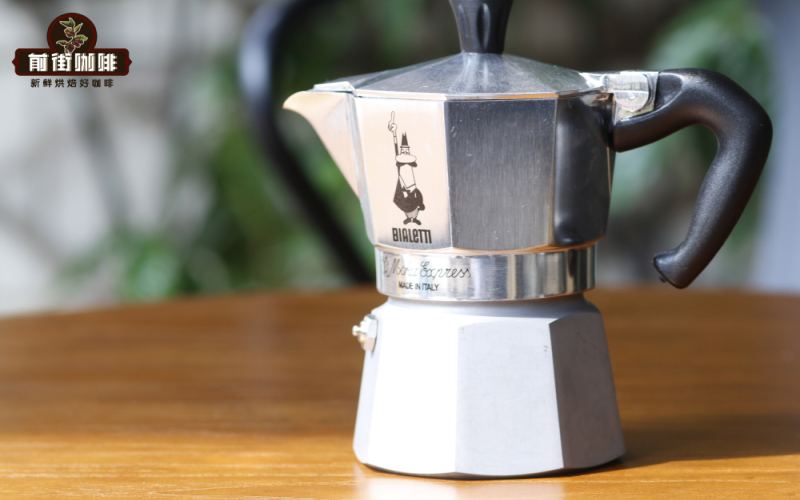
Must the Moka Pot Filter Basket Be Filled to the Brim? Differences Between Bialetti Single-Valve and Double-Valve Structures and Buying Advice
The moka pot, which has been around for nearly a century, has once again become a hot topic in the coffee world with the emergence of a new generation of pressurized models. Many enthusiasts are torn: should the filter basket be filled to the brim? And how should one choose between single-valve and dual-valve? This time, Front Street Coffee will break down these questions one by one, from the logic of filling the basket and the principles of extraction to the valve structure. The article will explain why reducing the amount of coffee grounds tends to produce an unbalanced taste combining sharp acidity and bitterness, share the specific steps for making moka pot coffee with half a dose of grounds, and clarify the fresh medium-dark roast bean conditions needed to obtain crema. Finally, it compares the differences between single-valve and dual-valve in terms of pressure and tolerance for error, helping beginners find the one that suits them better. [more…]

How do you use a V30 conical pour-over dripper? How many beans to use for small-dose extraction and what to watch out for
Small doses in pour-over brewing are often a headache: the coffee bed becomes thin, water tends to channel straight through, and the cup easily turns out thin and insipid. The 30-degree conical dripper from Japan's Tarachine Conical, known in coffee circles as the "V30," was designed specifically for small doses under 15 grams. How does it differ from the classic V60? How do you fold the filter paper? Front Street Coffee tested light and fruity roasts, medium-dark roasts, and three medium-roast beans, comparing the extraction performance of the V30 and the small V60. This article will explain the V30's structural features, filter-folding method, brewing parameters, and suitable roast levels, helping you brew a cup with concentrated flavor and a full body even at small doses. [more…]
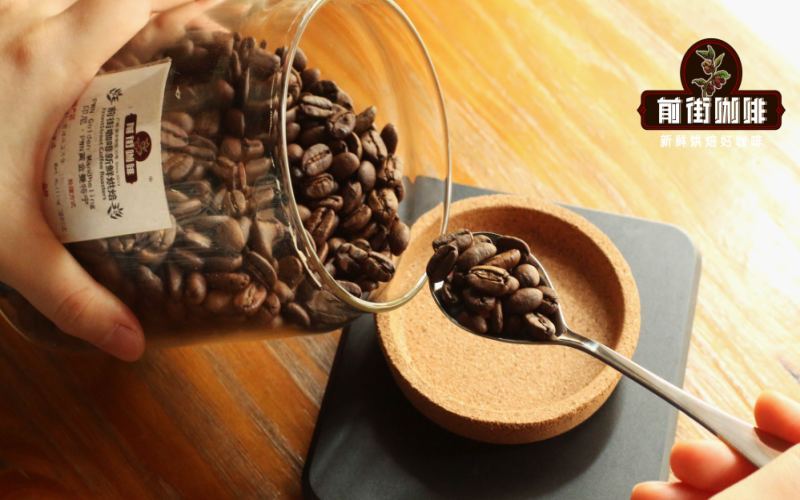
How to Hand-Brew 15g, 20g, and 30g Coffee Grounds? A Guide to Coffee-to-Water Ratios and Filter-Cup Adjustments for Four Servings
The choice of coffee dose for pour-over seems simple, but in reality it involves multiple coordination factors: the dripper model, the number of drinkers, and the pouring rhythm. Front Street Coffee's daily demonstration uses 15g of coffee as the baseline, but in actual brewing, doses that are multiples of 6 such as 12g, 18g, and 24g, doses that are multiples of 5 such as 15g, 20g, and 25g, and even 16g each have their own adherents. Behind different doses lie different reasoning logics—some start from the volume of brewed coffee, some compromise based on the dripper's recommended value, and others aim for easier calculations during pulse pouring. This article will focus on three typical doses—15g, 20g, and 30g—explaining the brewing approaches suited to each, and providing adjustment suggestions for dose, water amount, and dripper selection in a four-person pour-over scenario, helping you achieve consistent results even when sharing with multiple people. [more…]
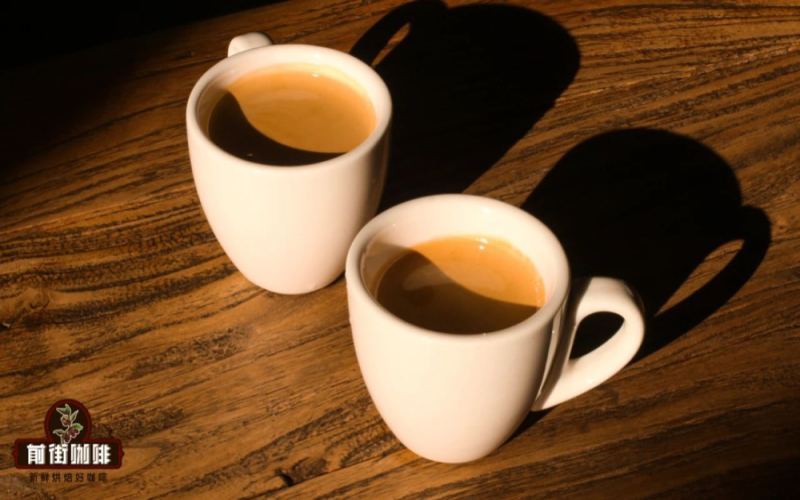
Espresso Dose Guide: Single vs. Double Basket Differences and Standard Extraction Parameters Explained
How much coffee grounds should you use when making espresso? What is the difference between single and double baskets? Drawing on Front Street Coffee's hands-on experience, this article provides a detailed analysis of the structural characteristics and current usage of single-shot espresso baskets, explaining why double baskets have become the mainstream choice. At the same time, using "Front Street Sunflower · Warm Sun Espresso Blend Coffee Beans" as an example, it fully demonstrates the standard extraction process for a double basket, covering dose, yield, time control, and distribution and tamping techniques, to help you consistently produce an espresso with thick, velvety crema and rich, layered flavors. [more…]
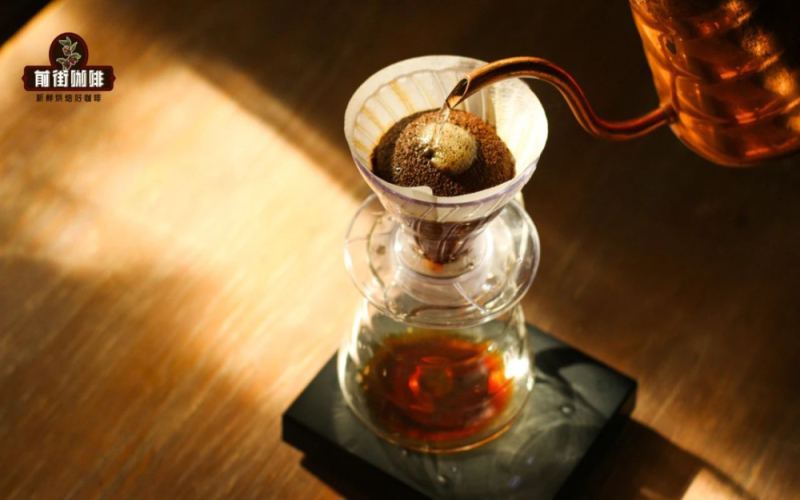
The Complete Guide to Drip Bag Coffee Brewing: Explaining Coffee-to-Water Ratio, Pulse Pouring, and Fixes for Under-Extraction
Drip bag coffee has become the daily drink of choice for many coffee lovers thanks to its convenience and portability. Yet this seemingly simple brewing process often suffers from too-fast flow, leading to under-extraction and a thin, flavorless cup. Drawing on the hands-on experience of Front Street Coffee, this article takes a deep look at the key factors affecting flow rate—such as the filter bag structure and the dose of coffee used—and offers a practical staged pouring method. By splitting the total water into several pours, narrowing the stream, and extending the extraction time, even beginners can brew a drip bag coffee with suitable strength and full flavor. The article also includes a selection of Front Street single-origin recommendations for those who want to improve their brewing. [more…]
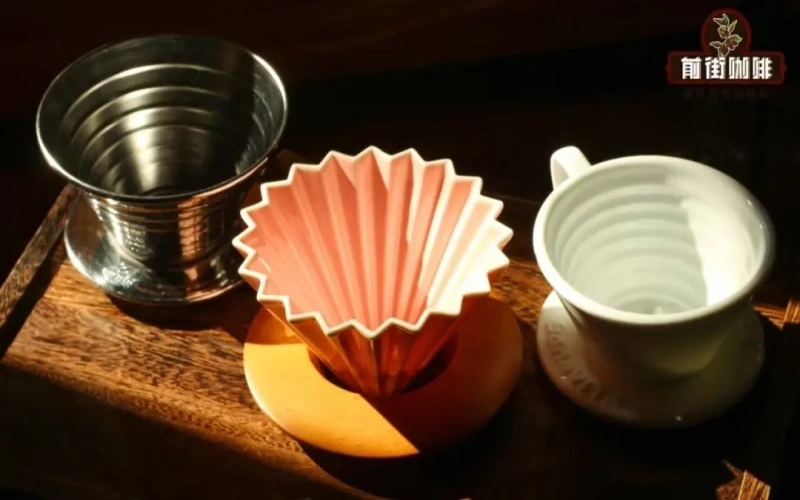
Analysis of the Differences Between Cake Filter Cups and V60 Cone Filter Cups: Sharing the Brewing Pros and Cons of Flat-Bottom Filter Cups and Practical Parameters
Among pour-over coffee equipment, cone-shaped drippers and flat-bottom drippers are two completely different choices. The cake dripper gets its name because its filter paper resembles baking paper, and its flat bottom brings extraction characteristics opposite to those of the V60: the coffee bed is thinner and more uniform in depth, pouring does not require deliberately controlling the range, and even beginners can easily brew a balanced and full-bodied cup of coffee. Of course, the relatively slow flow rate also requires us to make targeted adjustments in our parameters. In this article, Front Street will analyze the structural principles and flavor tendencies of the cake dripper, and share a specific method for brewing Ethiopian Hamashu with the Origami dripper, including coffee dose, water temperature, grind size, and staged pouring technique, to give you a comprehensive understanding of the advantages and disadvantages of flat-bottom drippers. [more…]
Jamaica Blue Mountain Coffee Siphon Brewing Guide: A Complete Parameter Breakdown from Coffee Dose and Water Temperature to Stirring Rhythm
Brewing Jamaican Blue Mountain coffee with a siphon looks full of ritual, but in reality every step hides variables that affect flavor. From the coffee dose and grind size to water temperature control and stirring technique, any deviation in any step can cause this top-tier coffee to lose the cleanliness and balance it should have. This article takes Front Street Jamaican Blue Mountain coffee as an example and fully breaks down the eleven operating steps of siphon extraction, explaining in detail the recommended amount per cup, grind fineness, lower chamber heating method, timing for inserting the upper chamber, the rhythmic differences between cross and spiral stirring, and how to use a wet cloth to cool things down so the coffee liquid can return smoothly. The article also particularly points out easily overlooked details such as the fit of the filter and the distance between the stirrer and the filter cloth, and gives an intuitive sign for judging successful extraction—whether the center of the coffee bed rises like a small hill. It is suitable as a reference for coffee lovers who want to consistently reproduce Blue Mountain flavor with a siphon. [more…]
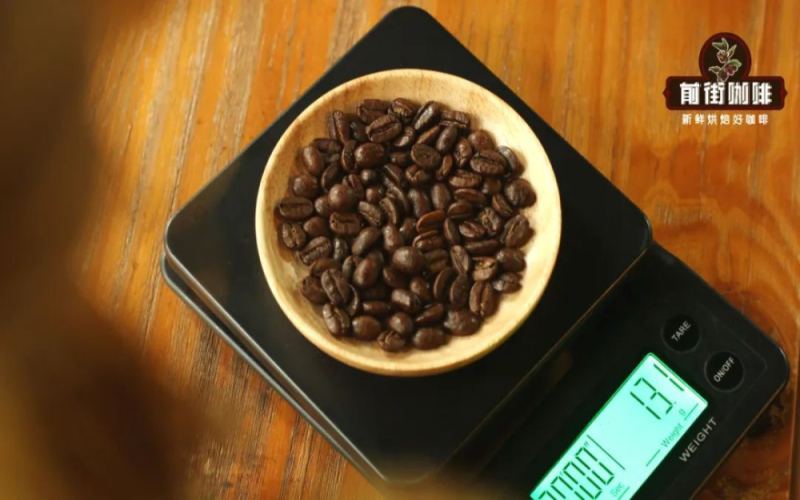
What Is the Right Amount of Coffee for a Single-Serve Pour-Over? V30 Cone Dripper Testing and Brew Parameter Breakdown
How should the coffee dose for pour-over be determined? The common Hario V60 01 dripper is recommended to hold 15–20 grams of coffee grounds, but when there aren't enough beans left or you only want to brew a single cup, using a large dripper with a small dose easily leads to a thin extraction. The 30-degree conical dripper launched by Japan's Tarachine (commonly known as the V30) is designed specifically for small doses of under 15 grams. After getting this transparent resin dripper, Front Street Coffee conducted brewing comparisons using Kenya, Blue Mountain, and three medium-roast beans, and found that the V30 can form a thicker coffee bed with a small dose, extending the extraction path, making the coffee flavor more intense and the mouthfeel fuller. This article documents in detail the filter paper folding method, brewing parameters, and the comparison results with the V60, and offers dose control suggestions, providing a reference for coffee enthusiasts who enjoy small-dose pour-over. [more…]
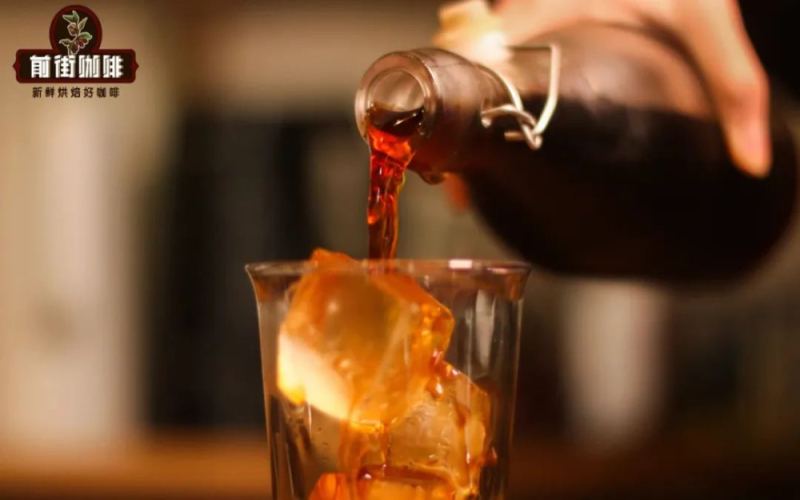
Making Cold Drip Coffee Without a Cold Drip Brewer: A Complete Guide to Choosing the Right Dose for Your Filter and Building a Simple DIY Cold Drip Setup
Want to enjoy a refreshing glass of cold brew coffee but don't want to buy an expensive cold drip tower just for that? In fact, you can rig up a simple cold drip setup using the coffee gear you already have on hand. This article starts from Front Street's hands-on experience, breaks down the structural principles of a cold drip tower, shows how to replace the original equipment with a V60 dripper, a flat-bottom dripper, and a server, and explains in detail every step of the process: distributing the grounds, pouring water, adding ice, and cold-brewing in the fridge. It also covers how the size of the dripper affects your choice of coffee dose, and the key role that ice cube size plays in the extraction, so you can easily make a full-flavored cold brew coffee at home. [more…]
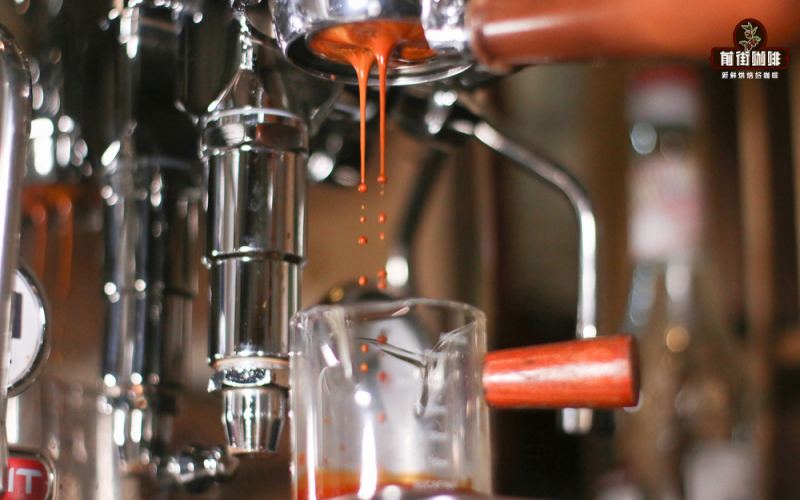
Espresso Extraction Parameters | What is the golden extraction ratio for espresso? What are the specific steps for extracting espresso?
Front Street Coffee has always emphasized that the extraction parameters for pour-over coffee have a significant impact on the cup, and for espresso the impact is even greater. You should know that factors such as the concentration and extraction time of espresso are more demanding than those of pour-over coffee, and the slightest [more…]
Must the coffee powder for a moka pot be filled to the top? How to choose between a double-valve and a single-valve? Key extraction techniques for crema explained
The moka pot has been around for ninety years, and with the introduction of new pressure-enhanced designs, it has returned to the public eye. Many coffee enthusiasts are asking: should the filter basket be filled to the top? How should one choose between a double-valve and a single-valve model? This time, Front Street Coffee takes a systematic look at the key points of using a moka pot. The article begins with how the amount of coffee grounds affects extraction, explaining why using only half a basket of grounds tends to make the coffee weak, sour, or even bitter, and shares a practical method for making rich, full-bodied coffee even with a "half dose" of grounds. It then compares the structural differences between single-valve and double-valve models, analyzing their respective characteristics in terms of crema performance and extraction risk, to help beginners and more advanced users find the one that suits them. [more…]
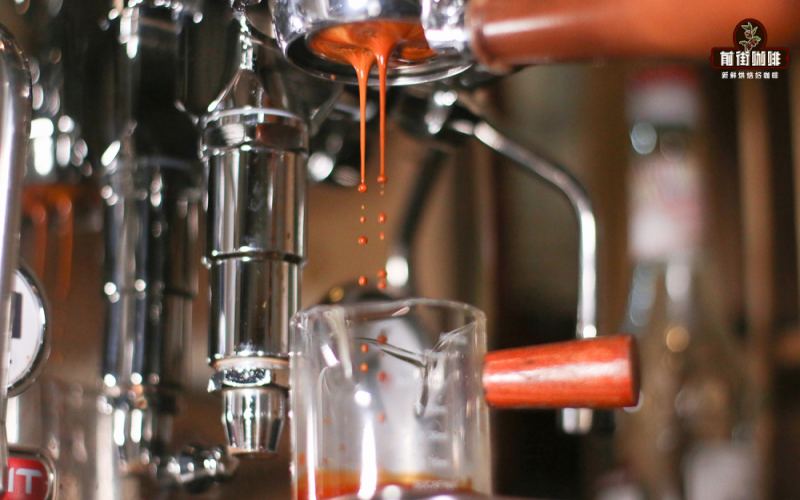
How to Adjust the Grind Size for Espresso? A Complete Parameter Guide from Dose and Ratio to Flow Rate
Espresso extraction is far more sensitive than pour-over, and any slight deviation in parameters will be multiplied in the flavor. Drawing on the practical experience of Front Street Coffee, this article systematically outlines the six core variables that affect espresso extraction—dose, brew ratio, extraction time, flow rate, extraction pressure, and extraction temperature—to help you understand how grind size should be adjusted and judged. At the same time, the article also explains in depth operational details such as weighing the grounds, distributing the grounds, tamping, machine extraction, and cleaning, and analyzes easily overlooked issues such as retained grounds and dosing grind errors. Whether you are a beginner just getting into espresso or an enthusiast hoping for consistent output, you can find actionable adjustment ideas here. [more…]
Seven Core Principles for Consistently Great Coffee: A Scientific Brewing Analysis from Dripper Selection to Team Collaboration
Those seemingly casual artistic expressions in coffee shops—tattoos, latte art, a laid-back atmosphere—are actually underpinned by a rigorous set of scientific rules. When baristas have to face the test of producing hundreds of cups every day, consistency becomes the key to whether customers will come back again. This article, from a professional perspective, systematically sorts out seven practical principles for maintaining coffee quality consistency: from valuing the filter basket model and recommended dose, treating the scale as a core tool, to establishing reusable brewing recipes, dealing with the natural variations of blend beans, to facing the reality that pour-over coffee is hard to keep stable, valuing the impact of water quality on flavor, and relying on teamwork to achieve consistently stable output. These rules may seem dull, but they are the cornerstone that makes every cup of coffee trustworthy. [more…]
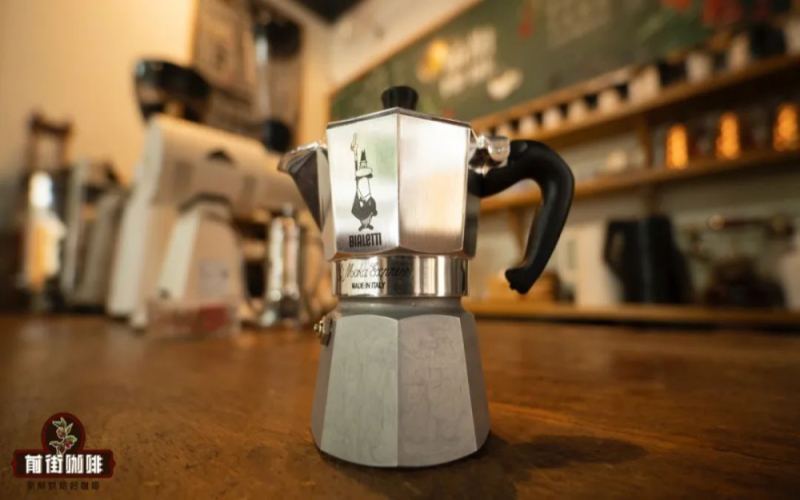
The Complete Moka Pot Brewing Guide: From Principles to Practice, Teaching You to Make Delicious Home Coffee
The moka pot, with its affordable price and convenient operation, has become the go-to device for many coffee lovers at home or in the office. However, quite a few people end up struggling after buying one because they are unfamiliar with how to use it, and the coffee they brew is either burnt and bitter or weak and bland. This article will start with the structure and working principle of the moka pot, break down in detail the key points for controlling grind size, coffee dose, and water volume, and explain the scenarios that different coffee beans are suited for. Then, Front Street Coffee will walk you through the entire process, from adding water and loading coffee grounds to heating and extraction, helping you avoid common pitfalls and easily make a cup of well-balanced moka pot coffee. [more…]
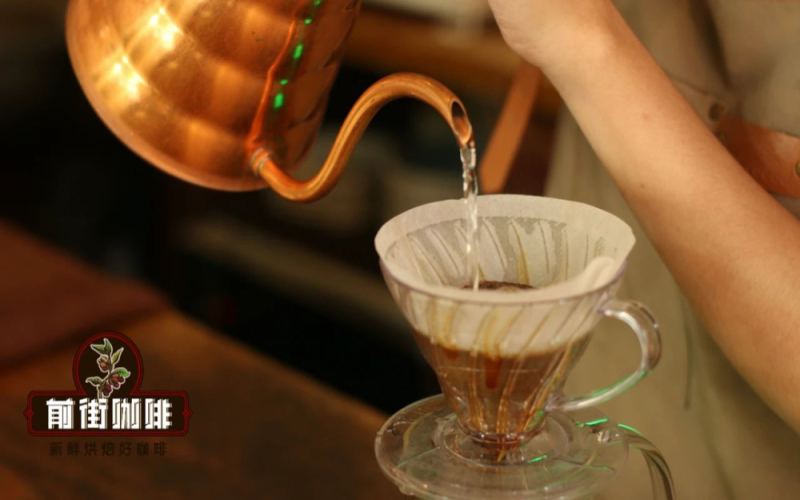
Smart Filter Cup Practical Review: Immersion Extraction Principles, Operating Steps, and Whether It Can Replace a Regular Pour-Over Filter Cup
Although pour-over coffee may look simple to operate, it actually involves a rich array of techniques and details, and the flavor expression of the coffee varies noticeably depending on the brewing device used. This time Front Street Coffee is going to introduce a dripper that is very beginner-friendly—the Clever Cup, which combines both immersion brewing and filtered brewing functions, has a low barrier to entry, and makes it easy to reproduce a stable flavor. The following article will explain the Clever Cup's brewing principles, specific usage steps, recommended parameters, and whether it can be used as an ordinary dripper, helping coffee lovers quickly master this device. [more…]
Coffee supplies running critically low! How coffee lovers can get the most out of every gram of coffee beans
When coffee stocks run low, coffee lovers start finding every possible way to cherish each gram of coffee beans. From reducing the dose and widening the water-to-coffee ratio, to rinsing and reusing filter paper, even a single coffee bean gets a careful brewing. Drip bags, capsule shells, and cold brew containers have all been given new uses. This article rounds up these both hilarious and ingenious "use every last bit" tricks, while keeping the professional coffee knowledge intact, to show you just how far coffee people will go for one more cup. [more…]
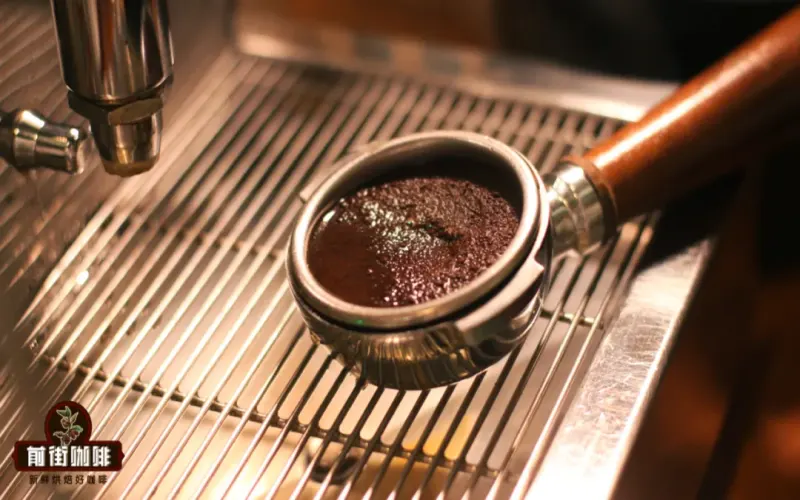
Analysis of the Causes of Watery Puck After Espresso Extraction: How Too Fine Grinding, Too Little Coffee Dose, and Insufficient Pressure Affect the Shot
When pulling espresso, you sometimes remove the portafilter and find a large amount of hot water left in the basket, with the puck wet, even loose and misshapen. This phenomenon not only affects consistency in the cup but also makes it hard to identify the root cause. Starting from the principles of espresso extraction and pressure release, this article systematically breaks down the three common causes of water pooling in the basket: grinding too fine, which impedes the flow of hot water through the coffee bed; using too small a dose, which leaves too much distance between the puck and the shower screen; and insufficient pressure on home machines, which weakens the back-suction effect. It also offers Front Street Coffee's adjustment suggestions to help coffee enthusiasts quickly pinpoint the problem and improve extraction flow rate and puck condition. [more…]
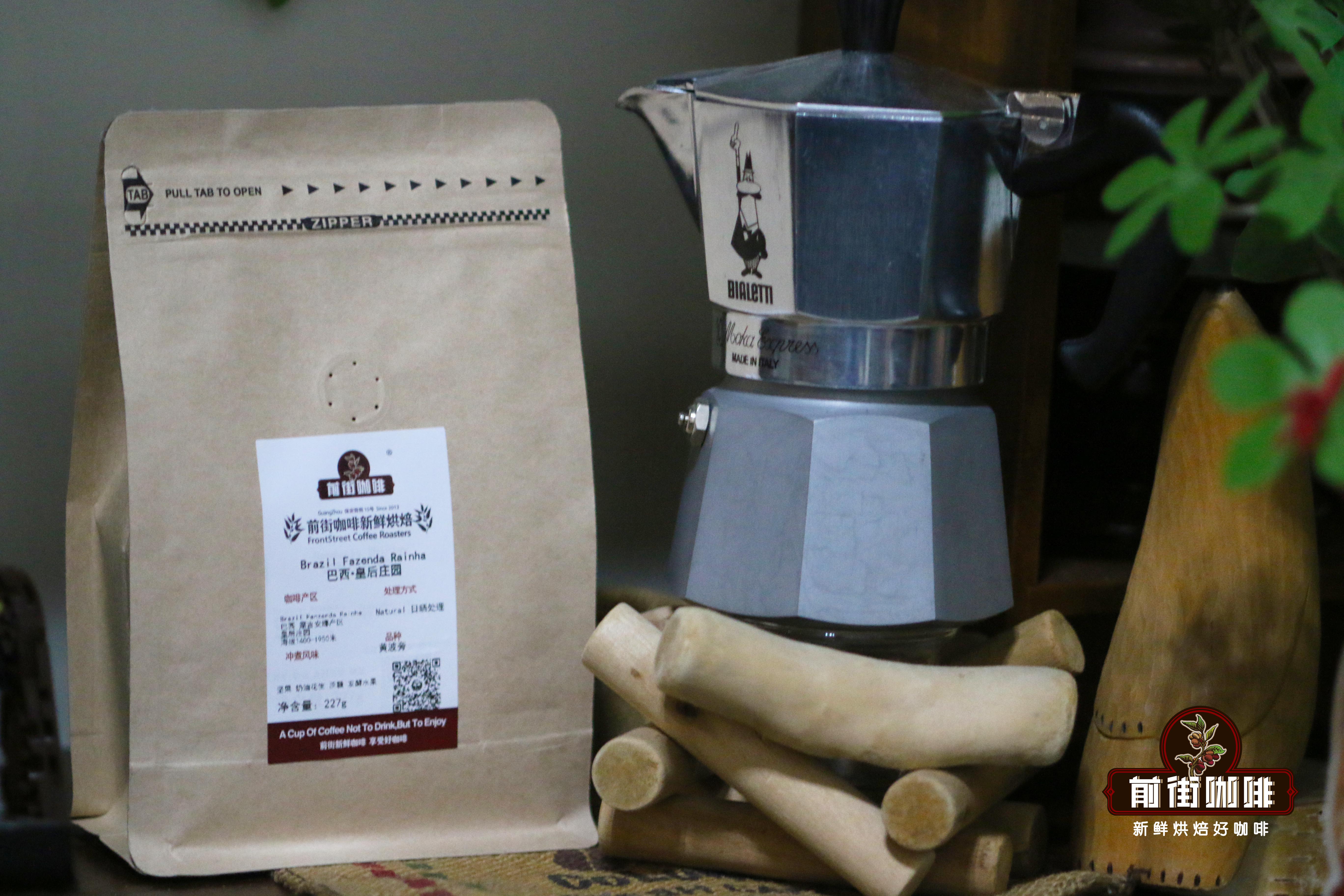
The Complete Guide to Pour-Over Brazilian Coffee: From Roast Characteristics to Three-Pour Technique and Flavor Control
Brazilian coffee beans are mostly medium-dark roasted, with bitterness as their base note, but bitterness comes in good and bad forms—the positive bitterness from nuts, chocolate, and caramel is pleasant, while smoky, woody, and medicinal notes are negative bitterness. In this article, Front Street Coffee uses a everyday-drink bean from the Cerrado region as an example, demonstrating from filter cup selection, coffee dose, coffee-to-water ratio, grind size, and water temperature to three-stage pouring, a complete guide on how to brew a cup of Brazilian coffee that has both a rich body and caramel sweetness, helping you avoid the pitfalls of burnt bitterness and thinness. [more…]
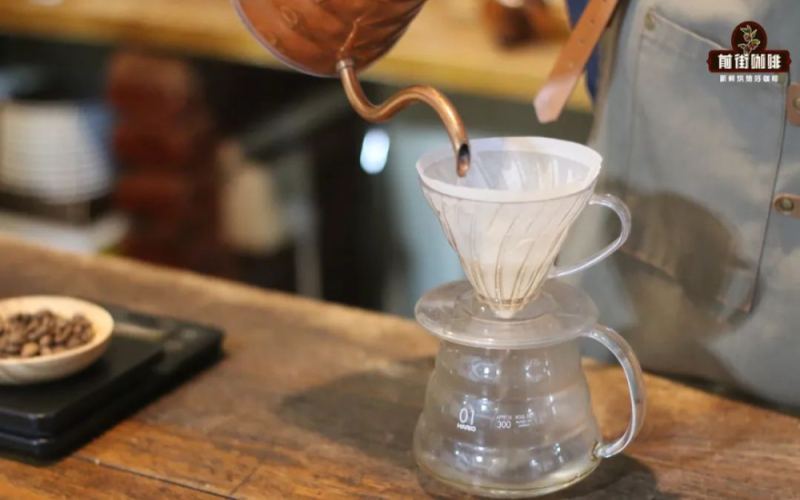
Four key preparations before pour-over brewing: filter paper fitting, water temperature control, grinding timing, and coffee grounds recheck
To brew a consistently delicious pour-over coffee, the key is to eliminate as many uncertainties as possible before brewing. Many enthusiasts tend to overlook some details during the preparation stage, which leads to uneven extraction and flavor deviation. Drawing on daily observations and the practical experience of enthusiastic friends, Front Street Coffee has compiled four easily overlooked preparation steps: how well the filter paper fits the dripper directly affects degassing and flow; once the water temperature is confirmed, you should pour as soon as possible to avoid the temperature in the kettle continuously dropping; grinding is best left as the last step to reduce the loss of coffee aromatics; after grinding, you should also double-check the coffee dose, because the grinder may retain or spit out grounds, and a deviation of ±0.5g is enough to change the final flavor. These seemingly minor steps often determine the success or failure of the entire cup. [more…]